

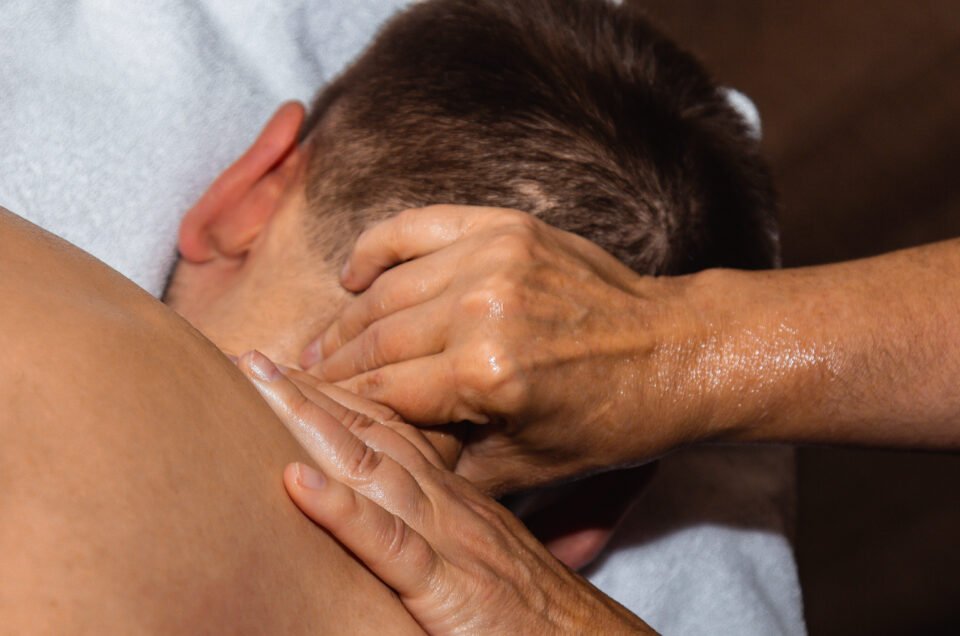
At Step Above Massage, we often hear clients describe feeling “heavy,” “sluggish,” or dealing with stubborn swelling that just won’t go away. While deep tissue work is fantastic for knots, sometimes your body needs a different kind of support—one that focuses on your internal filtration system. This is where Manual Lymphatic Drainage (MLD) comes in. It isn’t just a trend; it is a scientifically backed therapy that supports everything from post-surgical recovery to immune health.
Whether you are recovering from a cosmetic procedure, managing a chronic condition, or simply looking to detoxify, understanding the the benefits of MLDM (Manual Lymphatic Drainage Massage) can change the way you view bodywork. In this detailed guide, we are going to dive deep into the physiology of the lymphatic system, the specific Dr. Vodder method we use, and why this gentle therapy is the “gold standard” for fluid health.
What is Manual Lymphatic Drainage (MLDM)?
Manual Lymphatic Drainage (MLD), often referred to as lymphatic massage therapy, is a specialized form of massage that encourages the natural drainage of the lymph, which carries waste products away from the tissues back toward the heart. Unlike the circulatory system, which has the heart to pump blood, your lymphatic system relies on movement and muscle contraction to flow. When this system gets sluggish due to surgery, illness, or a sedentary lifestyle, fluid builds up.
At its core, manual lymph drainage acts as the helper for your body’s “waste disposal unit.” Through a specific sequence of gentle manipulation and skin stretching, we stimulate the lymphatic vessels and lymph capillaries. This action encourages the movement of interstitial fluid—the fluid found in the spaces around cells—into the lymph nodes (specifically the axillary, inguinal, and cervical nodes), where it is filtered and cleansed. The result is a restored fluid homeostasis and a lighter, healthier feeling body.
How MLDM Differs from Traditional Massage
If you are used to Swedish or Deep Tissue massage, your first MLDM massage benefits session might surprise you. It is crucial to understand that MLD vs. regular massage creates a completely different physiological response. Traditional massage often works on the “musculoskeletal” system, using deep pressure to release tension. However, lymphatic capillaries are extremely delicate and sit just beneath the surface of the skin.
If a therapist uses deep pressure, they can actually collapse these vessels, temporarily stopping the flow of lymph. Manual lymphatic drainage utilizes extremely light pressure (often described as the weight of a nickel) and rhythmic strokes. We use a specific directional flow to guide fluid toward the nearest functional lymph node group. This Dr. Vodder method technique is rhythmic and hypnotic, focusing on moving fluid rather than mashing muscle. It’s about finesse, science, and the biology of flow.
The Top Health and Wellness Benefits of MLDM
The MLDM benefits go far beyond just relaxation. By manually assisting the body’s filtration system, we can address a wide range of medical and aesthetic concerns. Here is a breakdown of the top benefits.
1. Accelerated Post-Surgical Recovery
Post-surgery lymphatic massage is widely considered the gold standard for recovery. Whether you are healing from cosmetic surgery (such as liposuction, a tummy tuck, or a BBL), orthopedic procedures, or mastectomy recovery, trauma triggers an inflammatory response. MLD speeds up tissue regeneration by moving stagnant fluids away from the surgical site, allowing fresh, nutrient-rich blood to aid accelerated healing.
2. Prevention of Fibrosis (Scarring)
One of the biggest risks after procedures like liposuction is fibrosis, which is the hardening of tissue or internal scarring. MLD for post-operative recovery is essential to prevent this. By utilizing gentle manipulation to keep the fluid moving and prevent stagnation, we ensure the tissue heals smoothly rather than becoming bumpy or hard.
3. Management of Lymphedema
For individuals suffering from a compromised lymphatic system, lymphatic massage for lymphedema is a vital management tool. This condition involves the accumulation of protein-rich fluid, often caused by the removal or damage of lymph nodes (common in oncology patients). MLD helps reroute lymph away from damaged axillary or inguinal nodes toward functional pathways to reduce limb size.
4. Reduction of Edema and Water Retention
Even without surgery, many people suffer from venous insufficiency or general edema. Lymphatic drainage for water retention is highly effective. By stimulating the lymphangions (tiny pumps in the lymphatic vessels), we increase the volume of lymph flow, leading to decreased heaviness in limbs and ankles.
5. Powerful Detoxification
Lymphatic massage for detoxification is backed by physiology. Your lymphatic system is responsible for collecting metabolic waste and cellular debris from the interstitial fluid. MLD accelerates the transport of these toxins to the lymph nodes, where they are filtered and eliminated, leaving you feeling cleaner and lighter.
6. Boosted Immune System
Your lymph nodes are the battlegrounds of your immune system, trapping and destroying pathogens, bacteria, and viruses. By increasing lymphatic flow, MLD ensures that pathogens are moved quickly to the nodes to be neutralized. Furthermore, abdominal work can provide autoimmune support, as a large portion of immunity is located in the gut.
7. Relief from Chronic Inflammation and Pain
Manual lymphatic drainage for inflammation works wonders for systemic conditions. We see excellent results with clients suffering from Fibromyalgia, Chronic Fatigue Syndrome, and autoimmune disorders. Reducing the fluid pressure on nerve endings helps in significant pain management.
8. Nervous System Regulation (Stress Relief)
Because the Dr. Vodder method relies on rhythmic strokes and light pressure, it engages the parasympathetic nervous system (the “rest and digest” mode). This triggers a deep relaxation response, lowering cortisol levels and helping clients with high anxiety or sleep issues.
9. Improved Skin Health and “Glow”
By clearing stagnant fluids and toxins from beneath the skin’s surface, clients often report reduced puffiness (especially in the face) and improved skin texture. Cellulite reduction is also a common benefit, as the therapy reduces the fluid pressure that pushes fat cells against the skin.
10. Relief from Sinus Congestion
For those suffering from allergies, sinus congestion, or fibrocystic breasts (due to hormonal fluid shifts), MLD can be a game-changer. It helps drain the congestion in the sinus cavities or breast tissue, relieving pressure and allowing for better fluid homeostasis.
Who Should Consider MLDM? (Candidate Checklist)
Is Manual lymph drainage right for you? While almost anyone can benefit from a boosted immune system, this therapy is particularly beneficial if you identify with the following:
- Post-Op Patients: You are recovering from surgery and want to reduce bruising and swelling.
- Swelling Sufferers: You experience decreased heaviness in limbs or “cankles” at the end of the day.
- Chronic Conditions: You deal with fibrocystic breasts, sinus issues, or chronic pain.
- Sinus Sufferers: You have constant sinus congestion; facial MLD can drain the sinuses effectively.
- High Stress Levels: You need to down-regulate your nervous system and reduce anxiety.
What to Expect During Your First MLDM Session
At Step Above Massage, we want you to feel comfortable. During your session, you will be undressed to your comfort level under a sheet, similar to a regular massage. However, the technique will feel very different. Do not expect deep pressure. We will use light pressure and skin stretching techniques.
You will feel a gentle, rhythmic pulling of the skin. It is entirely painless and deeply relaxing. In fact, most clients fall asleep because the rhythm sedates the nervous system. We will work on the main lymph nodes first (neck, armpits, groin) to “open the drains” before working on the specific areas of swelling.
Critical Aftercare: What to Do (and Avoid) After Your Massage
To get the most out of the benefits of MLDM, aftercare is non-negotiable. Because we have mobilized a significant amount of waste and fluid, your body needs help flushing it out.
- Hydration is Key: You must drink plenty of water to help your kidneys filter the metabolic waste we have released.
- What to avoid after MLD: Avoid alcohol and caffeine for at least 24 hours, as these are dehydrating and add toxins back into a system we just cleaned.
- Watch your Salt Intake: Sodium causes water retention. Keep your diet light and low-sodium for the next day to maintain fluid balance.
- Move Gently: Light walking helps the circulatory system and keeps the lymph moving.
At Step Above Massage, we are dedicated to helping you heal from the inside out. If you are ready to experience the profound MLDM massage benefits, book your massage session in our offices in Raleigh or Wake Forest with us today and let’s get your health flowing again.
Frequently Asked Questions (FAQ)
How often should you get lymphatic drainage?
For general wellness and immune boosting, once a month is excellent. However, for post-surgery lymphatic massage or lymphedema management, we often recommend a series of sessions, sometimes 2 to 3 times a week initially—tapering off as your condition improves.
Is lymphatic drainage safe for everyone?
While safe for most, there are contraindications. We cannot perform MLD if you have an acute infection (fever), active blood clots, or untreated congestive heart failure (as moving excess fluid toward a weak heart can be dangerous).
Why do I feel tired after a session?
This is normal! It is called a “healing crisis” or detox reaction. As your body processes the waste removal, it uses energy. You might also notice increased urination as the fluid homeostasis resets.
